Program Description

Program Description & All Services & Supports UYH Provides to Youth in Care and Their Families

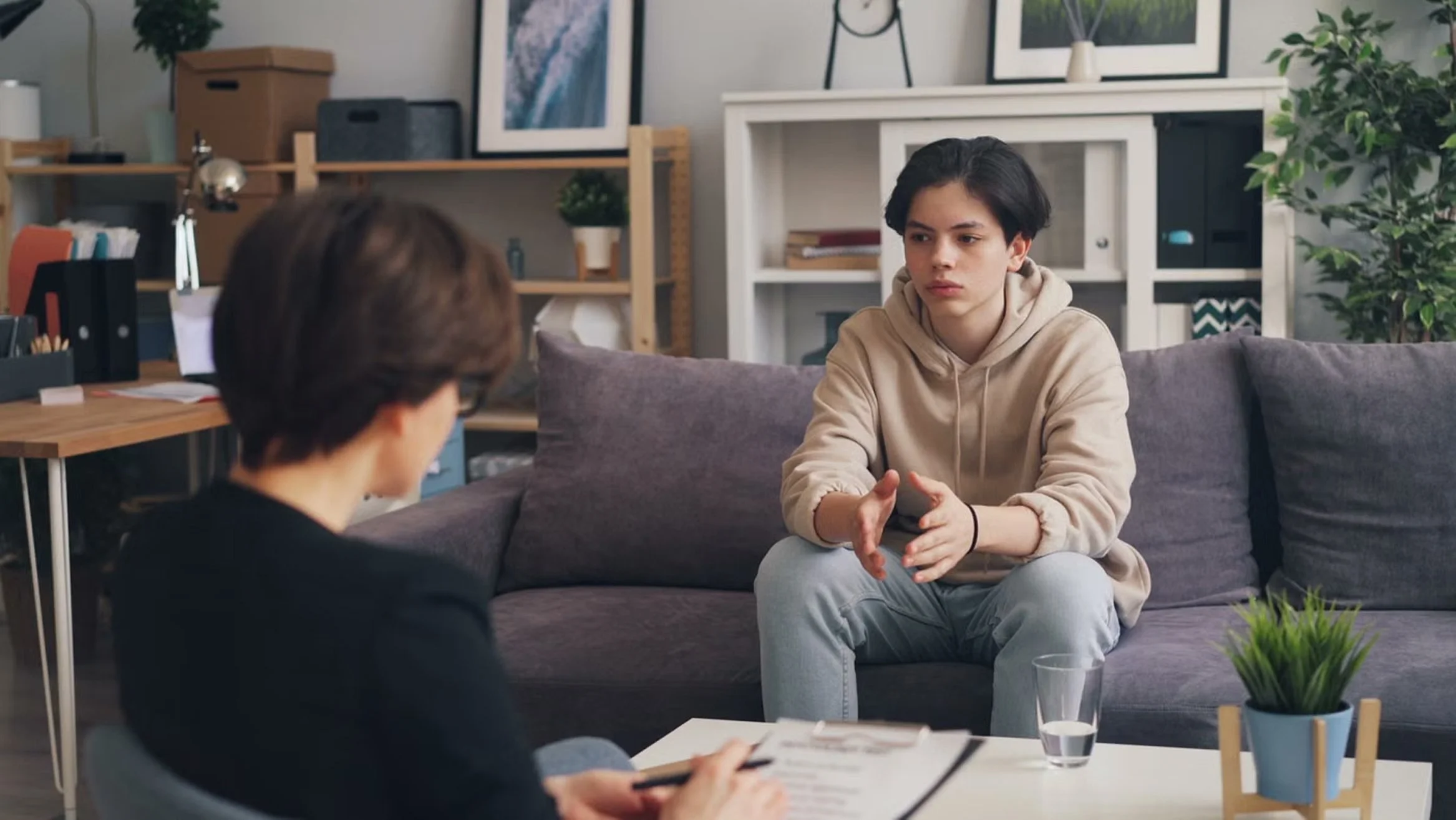
Unity Youth Homes (UYH) LLC provides one-of-a-kind services as a Qualified Residential Treatment Program (QRTP) facility for children and youth with significant trauma. We are here to serve male and female children ages 8 to 17 with severe traumatic experiences who subsequently have serious emotional or behavioral disorders; these children may display behaviors and disorders that includes but not limited to excessive disrespect, aggressiveness, apathy, Oppositional Defiant Disorder (ODD), Conduct disorder (CD), and Attention Deficit Hyperactivity Disorder (ADHD), etcetera. However, we are here to serve the needs of all Arizona children and youth that are in need of our care and services. The agency office is in Arizona City at 10241 W Camelia Dr, Arizona City, AZ 85123. UYH is a residential facility home with 5 beds and a 1:5 ratio of staff to children with the potential for a 6th child. Our nursing services are available 24 hours a day and 7 days a week; UYH therapeutic and trauma-informed services are tailored to the needs of the individual child, and we provide discharge planning and support for post-discharge aftercare services, If the child family teams determine it is necessary. To ensure a safe discharge planning and aftercare, the agency will employ the following strategies and approaches: UYH develops a discharge plan that is in accordance with FFPSA including and not limited to incorporating family participation in the child’s program when in the best interest of the child; and offer at least six months of support after a child is discharged.

Scroll within the document to read all 13 pages and complete the acknowledgment near the end.

Unity Youth Homes LLC | 10241 W Camelia Dr, Arizona City, AZ 85123 | Page 1UNITY YOUTH HOMES LLC10241 W Camelia Dr, Arizona City, AZ 85123Program Description & All Services & Supports UYH Provides to Youth in Care and Their FamiliesUnity Youth Homes (UYH) LLC provides one-of-a-kind services as a Qualified Residential Treatment Program (QRTP) facility for children and youth with significant trauma. We are here to serve male and female children ages 8 to 17 with severe traumatic experiences who subsequently have serious emotional or behavioral disorders; these children may display behaviors and disorders that includes but not limited to excessive disrespect, aggressiveness, apathy, Oppositional Defiant Disorder (ODD), Conduct disorder (CD), and Attention Deficit Hyperactivity Disorder (ADHD), etcetera. However, we are here to serve the needs of all Arizona children and youth that are in need of our care and services. The agency office is in Arizona City at 10241 W Camelia Dr, Arizona City, AZ 85123.UYH is a residential facility home with 5 beds and a 1:5 ratio of staff to children with the potential for a 6th child. Our nursing services are available 24 hours a day and 7 days a week; UYH therapeutic and trauma-informed services are tailored to the needs of the individual child, and we provide discharge planning and support for post-discharge aftercare services, If the child family teams determine it is necessary. To ensure a safe discharge planning and aftercare, the agency will employ the following strategies and approaches: UYH develops a discharge plan that is in accordance with FFPSA including and not limited to incorporating family participation in the child’s program when in the best interest of the child; and offer at least six months of support after a child is discharged.UYH (in accordance with R21-7-222) will engage residents in a variety of cultural, educational, religious, indoor, and outdoor recreational and leisure opportunities that reflects the interests and needs of the residents in care, including an allotment of time for them to pursue individual interests, and time to address the special needs they may have while living in the family house. UYH will be intentional about providing opportunities for the use of community resources such as schools, universities, recreational facilities, churches, etc.At intake and admissions – in accordance to R21-7-223, each resident is informed of his or her rights to access and benefit from voluntary spiritual and religious care. His/her affiliation and the name of their community spiritual/religious care provider is documented in the resident file. UYH’s program and the UYH service plans for a youth in care shall reflect consideration of and sensitivity to the racial, cultural, ethnic, and religious background of a youth in UYH’s care.UYH ensures that family visitation is permitted to the child’s family or caregiver unless otherwise ordered by the court, or due to other reasons noted on the Arizona DCF placement service standards manual and or if otherwise noted in the child’s case management plan. Additionally, UYH ensures:•Preplacement visitations will include a day or overnight visits to enhance family bonding.•The agency will encourage families or caregivers to participate in children therapy sessions and other activities to build and rebuild strong connections.•The agency will facilitate transportation in cases where family or caregiver will be faced with visitation barriers.
Unity Youth Homes LLC | 10241 W Camelia Dr, Arizona City, AZ 85123 | Page 2R21-7-135 The Mission Statement with the overall Philosophy that Guides UYH’s Services C. MISSIONThe Mission of Unity Youth Homes is to work in harmony with all stakeholders to provide evidence-based social-emotional and trauma-informed care for all clients within an inclusive and culturally sensitive environment. D. VISIONUnity Youth Homes will be an agency that ensures all clients are empowered to grow emotionally and socially and equipped with the necessary skills to build healthy, positive, and strong relationships with family, peers, and community members to become productive, responsible, and beneficial members of a global society. E. MOTTO "Building community with UNITY one youth at a time." UYH GOALS•To create a sustainable residential treatment program based on the best interest of the youth and exceed expectations. •To provide a high-quality, trauma-informed treatment model to youth within Maricopa, Pinal, and Pima Counties. •To increase the number of children and youth in our services by 50% per year through word-of-mouth referrals. •To increase the 6-month support post-discharge success rate by 5% annually. Keys to Success•Focus on the professional quality of services offered. •Provide adequate and well-trained staffing. •Effective collaboration with family, placement agencies, as well as other organizations and stakeholders. UYH will empower youth to make positive choices in their lives that will enable them to maximize their current and future potential. UYH wants to instill in youth what their actual worth is, not only to themselves but to the community at large. Regardless of their current barriers and often unstable backgrounds, with the right support and guidance, these youth have a great possibility of successfully re-establishing their lives. R21-7-203. Statement of Purpose; Program Description and Evaluation; Compliance with Adopted Policies; Child Rights Philosophy: UYH was designed using three primary models: 1) The Restorative Practices Model (RP) the approach emphasizes building interpersonal relationships that promote reintegration back into the home and community. RP promotes implementing positive reinforcement for youth
Unity Youth Homes LLC | 10241 W Camelia Dr, Arizona City, AZ 85123 | Page 3accomplishments to teach and reinforce pro-social skills. Positive youth development (the model) and strength-based approaches to service delivery emphasize and identify the aptitudes, skills, interests, and capabilities of youth over the needs and deficits they may have when they enter the program. The Family-Strengthening approach to youth development encourages service providers to assess and strive to understand that youth are more likely to thrive when they are living in stable households, have healthy relationships with family members and caregivers, and have access to community resources. Later, these three approaches will be delineated in detail regarding our Foundational Philosophical Approaches! Statement of Purpose UYH’S primary purpose is to serve children (Males and females, ages 8-17) with specific treatment needs who need short term placement out of their homes. UYH will provide 24-hour care and support to youth as deemed necessary by the youth’s service plan, case agreement, courts, or case plan participants. During this time, UYH will: •Prepare youth for high school completion •Build and foster interpersonal relationships •Prepare youth for reintegration with family and/or community •Build career plans and skills •Prepare youth for post-secondary opportunities, including further education, training, and productive work and career Overall, youth placed in our care will gain the necessary skills to transition independently into the community on the path to productivity and alleviate prescribed behavior(s) that the client may have been experiencing prior to admissions. Staff will have social services partnerships readily able to provide the support needed to promote youth independence. Youth will be rewarded for good behavior and accomplishments (weekly allowances, youth incentives, etc.). With trained and passionate staff, UYH will create a self-empowering environment that will be an invaluable resource to youth, despite their behaviors or troubled pasts and often unpromising future, which will ultimately strengthen the youth’s chances of being and remaining a productive part of his family and community. UYH LLC is a QRTP agency in its development stages. The agency will utilize a trained trauma-informed staff, a on call nurse hotline, and nearby behavior health clinics and hospitals to maximize the behavior and health care for each child.UYH LLC aim is to address the developmental, physical, emotional, social, educational, and spiritual needs. Through the use of licensed therapy, cognitive behavior skills, structured family environment, and spiritual wellness, we aim to help our clients make well-formed decisions about the effects of positive interventions in the social, behavioral, and educational arenas.UYH LLC provides behavioral therapy, which will help change potentially self-destructive behaviors, replacing bad habits with good ones while coping with difficult situations. In addition, a trauma focused therapy will be provided to help children cope with traumatic memories and situations, which will help them to identify and change negative thoughts and beliefs that cause unpleasant feelings and difficulties functioning.UYH LLC is committed to providing a family centered practice, teaching the children how to behave, function and adjust in a family setting. UYH LLC will emphasize on following the rules, expectations
Unity Youth Homes LLC | 10241 W Camelia Dr, Arizona City, AZ 85123 | Page 4and policies of the house, school, and the community at large. We target the root of behaviors by using operant conditioning of positive and negative reinforcements. In addition,UYH LLC utilizes an array of researched based Trauma-Informed practices and resources such as Restorative Practices, The Trauma-Informed School, by Jim Sporleder and Heather Forbes, and the Thrive model framework – UYH utilizes Thrive as a guiding compass and resource for implementing and sustaining a healthy trauma-informed environment within the totality of the agency. The end goal is to equip the children with the skills and thought patterns that will result in more frequent than not positive interactions in group, family, educational, community and global societal settings.UYH will also provide a wrap-a-round network that will enable older youth to make a successful transition to becoming self-sufficient. The long-term goal for UYH is to empower youth by giving them the necessary tools needed to lead productive lives and then give back and pay it forward.UYH LLC provides interventions in education by providing daily tutoring sessions via Khan Academy – “an American non-profit educational organization created in 2005 by Sal Khan to provide online tools that help educate students. Its website also includes supplementary practice exercises and materials.” Also, direct contact with educators, case management counselors, and if applicable community employment staff are efforted as well.UYH LLC management and paid staff are Mr. Joseph Nelson- Chief Executive Officer (CEO), Program Director/Acting CEO. Team Lead/House Manager. Contracted or outsourced – Licensed Clinical Staff, Targeted Case Coordinator, and Contracted- Licensed Practical Nurse. Unity Youth Homes primary source of referrals will be by way of seeking contracts nationwide from Placing Agencies who acknowledge and demonstrate the need and intentions in working with UYH to partner with their Entity in provide services with the children in need.The Major Program Supports and Services Are:•Assessments using similar assessment tools the ACES test•Educational Support•Genal medical needs – dental visits, vision visits, physician check-ups•Community Service/Volunteering•Development of a Personalized Service Plan for each youth•Independent Living skills training for which includes career activities that provides job readiness preparation, overall intrinsic skill development, employment training, and job placement, mock interviews, skills assessment to identify areas of interest, etc.•Support Services – counseling, therapy cognitive modeling, group therapy,•Intensive out-patient treatment as need or necessary•Family-Strengthening Activities•Safet Plan as necessary.•Financial Planning•Mentoring activities that include education support and career exploration•Leveraged community resources for youth and their families
Unity Youth Homes LLC | 10241 W Camelia Dr, Arizona City, AZ 85123 | Page 5Social Competency Learning•Planning and decision-making: Young person knows how to plan ahead and make right choices no matter how tempted or persuaded.•Interpersonal competence: Young person has empathy, sensitivity, and friendship skills.•Cultural competence: Young person has knowledge of and intentionally works at being comfortable with people of different cultural/racial/ethnic backgrounds.•Resistance skills: Young person can resist negative peer pressure and dangerous situations.•Peaceful conflict resolution: Young person seeks to resolve conflict nonviolently/restoratively.Methods of Service Delivery:Education: Tutors and mentors recruited from local universities and colleges will provide additional support in-person and/or virtually to increase self-sufficiency. Youth who struggle with traditional school settings will be introduced to alternatives that may be more fitting for their personality and learning aptitude. Staff will also assist youth with their academic needs.Outreach Services: UYH will provide opportunities for residents to receive consultant and outreach services, such as doctors, therapists, counselors, social workers, and other practitioners that may benefit youth social, emotional, mental, and physical health.Job Skills & Training: UYH will form partnerships with local organizations, that provide job skills training and opportunities. UYH staff will also be skilled in providing job search assistance and find resume building and training opportunities to benefit the youth served.Career Exploration: UYH will partner with local universities, colleges, and area businesses to help youth identify career skills and interests through various assessments, then determines career fields youth would likely succeed in; also, assist with college entrance.Unity Youth Homes: Staff, mentors, and volumeters will assist youth with identifying skills and interests of that individual youth, rather than focusing on the “deficits” or what makes that child at-risk and attempt to build upon those skills/interests. Positive reinforcement is a major component and youth will be rewarded for good behavior and accomplishments.Successful Community Transition: Staff will provide opportunities for family engagement and will partner with mental health agencies who provide counseling/therapy services for youth and family to ensure a successful transition back into the home. If youth will be independent upon release, if applicable, youth will receive 6 months of post-discharge assistance with obtaining suitable housing and employment in the community.Youth Development: UYH will use mentoring relationships with caring adults, as well as planned opportunities for career awareness and training opportunities, to cultivate enlighten young people to the opportunities they have if they will take the necessary steps to achieve them.Job Readiness and Placement: UYH prepares youth for success in the workplace and financial security by encouraging school completion, creating career awareness learning, and earning opportunities, and supporting planning for successful transitions to post-secondary opportunities.
Unity Youth Homes LLC | 10241 W Camelia Dr, Arizona City, AZ 85123 | Page 6Employer Relations: UYH program will recruit employers and businesses to provide volunteer mentors and career awareness opportunities, including site visits, speakers, job shadowing, internships, work experience, training, and employment.Financial Education: Financial awareness, money management (allowances), savings, avoidance of debt and predatory lenders, etc., while not essential elements of the UYH program design, could be the basis for activities for youth and staff. Visits to banks and credit unions, or speakers from these institutions, could introduce youth to the world of banking and savings.Community Recourse Connections: UYH program should be prepared to offer referrals and services to the family members of youth. Family strengthening youth programs use assessments to inquire about the household and families of youth. Community partners are used as referral resources that can offer stability to the home of the youth.External Assets – What UYH Offers•Other adult relationships: Young people receive support from three or more non-parent adults.Boundaries and Expectations•Family boundaries: Family has clear rules and consequences.•Adult role models: Parent(s) and other adult model positive, responsible behavior.•Positive peer influence: Young person’s best friends model responsible behavior.•High expectations: Both parent(s) and Restorative Advocates encourage the young person to do well.Constructive Use of Time•Creative activities: Young person spends two or more hours per week in lessons or practice in music, theater, or other arts.•Youth programs: Young person spends two or more hours per week in sports, clubs, organizations at school and/or in community organizations.•Religious community: Young person spends one or more hours per week in activities in religious institutions.•Time at home: Young person is out with friends “with nothing special to do,” two or fewer nights.Internal Assets – What UYH EncourageCommitment to Learning•Achievement motivation: Young person is motivated to do well in school.•School engagement: Young person is actively engaged in learning.•Homework: Young person reports doing all assigned homework.•Bonding to school: Young person cares about his or her school and the UYH staff supports this through attending teacher-Conferences, Open House, Orientations, etc.•Reading for pleasure: Young person reads for pleasure two or more hours per week.•Restraint Skills: Young person believes it is important not to be sexually active or use alcohol or drugs.
Unity Youth Homes LLC | 10241 W Camelia Dr, Arizona City, AZ 85123 | Page 7Social CompetenciesPositive Identity building activities•Self-esteem: Young person reports having high self-esteem.•Sense of purpose: Young person reports that “my life has a purpose.”UYH shall ensure that the person assisting the child in care with personal care is of the same gender, if needed.UYH shall adhere to and enforce all plans, policies, and procedures that it has adopted in accordance with Chapter 7 and this manual.UYH shall provide a copy of the “Client Rights” listed in A.R.S. § 8-529 to each resident in care age 12 and older and for children less than 12 years of age as developmentally appropriate. This information shall be posted in a conspicuous location within the UYH facility. It is the employee’s duty to know and respect the rights of residents in care and to help protect them. During intake, residents and their parents/guardians are provided with information outlining their rights. This process is documented by all parties signing the Rights, Responsibilities, and Complaint Acknowledgement form. UYH Residents' rights are as follows:A. A child in foster care has the following rights:1.To appropriate care and treatment in the least restrictive setting available that can meet the child's needs according to the best judgment of the foster parent.2.To live in a safe, healthy and comfortable placement where the child can receive reasonable protection from harm and appropriate privacy for personal needs and where the child is treated with respect.3.To know why the child is in foster care and what will happen to the child and to the child's family, including siblings, and case plans.4.Whenever possible, to be placed with a foster family that can accommodate the child's communication needs.5.To be disciplined in a manner that is appropriate to the child's level of maturity.6.To attend community, school and religious services and activities of the child's choice to the extent that it is appropriate for the child, as planned and discussed with the child's placement worker and caseworker and based on caregiver ability if transportation is available through a responsible party.7.To go to school and receive an education that fits the child's age and individual needs.8.To training in personal care, hygiene and grooming.9.To clothing that fits comfortably and is adequate to protect the child against natural elements such as rain, snow, wind, cold and sun.10.To have personal possessions at home that are not offensive to the foster family and to acquire additional possessions within reasonable limits, as planned and discussed with the child's foster parent, placement worker and caseworker, and based on caregiver ability.11.To personal space, in the foster home preferably, in the child's bedroom for storing clothing and belongings.12.To healthy foods in healthy portions that are appropriate for the child's age.
Unity Youth Homes LLC | 10241 W Camelia Dr, Arizona City, AZ 85123 | Page 813.To comply with any approved visitation plan, and to have any restrictions explained to the child in a manner and level of details deemed age appropriate by the foster parent in agreement with the caseworker and documented in the child's record.14.If the child is six years of age or older, to receive contact information for the child's caseworker, attorney or advocate and to speak with them in private if necessary.15.To participate in age appropriate child's service planning and permanency planning meetings and to be given a copy or summary of each service plan and service plan review. The child may request someone to participate on the child's behalf or to support the child in this participation.16.To attend the child's court hearing and speak to the judge.17.To have the child's records and personal information kept private and discussed only when it is about the child's care except the foster parent shall have full access to the records to determine if the child will be successful in the home. During the foster placement, if the foster parent requests to view the record upon experiencing problems with the child's adjustment, the full record shall be made available for viewing by the foster parent.18.To be free of unnecessary or excessive medication.19.To receive emotional, mental health or chemical dependency treatment separately from adults who are receiving services, as planned and discussed with the child's placement worker and caseworker, as is financially reasonable for the foster parent.20.To report a violation of personal rights specified in this section without fear of punishment, interference, coercion or retaliation, except that an appropriate level of punishment may be applied if the child is proven to have maliciously or wrongfully accused the foster parent.21.To be informed in writing of the name, address, telephone number and purpose of the Arizona protection and advocacy system for disability assistance.22.To understand and have a copy of the rights listed in this section.B. A child in foster care who is at least sixteen years of age has the following rights:1.To attend preparation for adult living classes and activities as appropriate to the child's case plan, as is financially reasonable for the foster parent.2.To a transition plan that includes career planning and assistance with enrolling in an educational or vocational job training program.3.To be informed of educational opportunities before the child leaves foster care.4.To assist in obtaining an independent residency when the child is too old to remain in foster care from the child's caseworker, attorney or advocate.5.To request a court hearing for a court to determine if the child has the capacity to consent to medical care that is directly related to an illness, disease, deformity or other physical malady.6.To receive help with obtaining a driver license, social security number, birth certificate or state identification card, except that the foster parent shall have discretion to determine if the child is responsible and mature enough to become a licensed driver.7.To receive necessary personal information within thirty days after leaving foster care, including the child's birth certificate, immunization records and information contained in the child's education portfolio and health passport.C. This section does not establish any legally enforceable right or cause of action on behalf of any person.
Unity Youth Homes LLC | 10241 W Camelia Dr, Arizona City, AZ 85123 | Page 9UYH Foundational Philosophical Approaches:Restorative Practices ModelRestorative Practices, when broadly and consistently implemented, will promote and strengthen positive Unity Youth Homes’ culture and enhance pro-social relationships within the residents, family, and staff.Restorative Practices allow for a shift in handling misbehavior, that results in a culture which is inclusive, builds fair process into decision-making practices, and facilitates reflection on the client’s part to address the impact of their actions through an approach that allows for true accountability, skill-building, cooperation, and mutual understanding.Through restorative practices, UYH residents, staff and families will:1.have an opportunity to be heard2.understand the greater impact of one's actions3.learn to take responsibility4.repair the harm one's actions may have caused5.recognize one's role in maintaining a safe home and atmosphere6.build and expand on personal relationships within the program and community7.recognize one's role as a positive contributing member of the program and communityUltimately, residents and staff alike will learn to make positive, productive, and effective choices in response to a challenging situation they may encounter in the future after engaging in a restorative practice technique.“The underlying premise of Restorative Practices is that people are happier, more cooperative, more productive and more likely to make positive changes when those in positions of authority do things with them rather than to them or for them.”(The Restorative Practice Handbook, Costello and Wachtel)A Response to, and Prevention of HarmRestorative Practice/Approaches are multifaceted in nature. Restorative practices include interventions when harm has happened, as well as practices that help to prevent harm and conflict by helping to build a sense of belonging, safety, and social responsibility in the UYH program and community.Benefits of Restorative Approaches in the Residential Group Home Care Setting•A safer, more caring environment.•A more effective environment in communication and understanding.•A greater commitment by everyone to taking the time to listen to one another.•A reduction in bullying and other interpersonal conflicts.•More of a willingness to seek more reasonable and peaceful ways in seeking resolutions to conflict.•A greater awareness of the importance of connectedness to young people. The need to belong and feel valued by peers and significant adults.
Unity Youth Homes LLC | 10241 W Camelia Dr, Arizona City, AZ 85123 | Page 10•Greater emphasis on responses to inappropriate behavior that seek to reconnect, and not further disconnect young people.•Reductions in unsuccessful discharges due to misbehavior.•Greater confidence in the staff team to deal with challenging situations.Restorative practices have a range of behavioral techniques and/or approaches, from informal to formal. Case in point, affective statements, and questions that communicate peoples’ feelings, and allow for reflection on how their behavior has affected others. Impromptu restorative conferences and circles are somewhat more structured, while formal conferences require more elaborate preparation.Affective Statements: the starting point for all restorative processes involving active non-judgmental listening and expression of feelings and impact. Affective statements allow for residents and staff to build strengthened relationships by genuinely presenting oneself as someone who cares and has feelings. This authentic expression offers one the opportunity to learn and reflect on how their behavior has affected others.Restorative Discussion: A restorative approach to help those harmed by other's actions, as well as responding to challenging behavior consists in asking key questions:Restorative Questions:1.What happened, and what were you thinking at the time?2.What have you thought about since?3.Who has been affected by what you have done? In what way?4.What could you have done differently?5.What do you think you need to do to make things as right as possible?Proactive and Responsive Circles: circles can be used for team building and problem-solving. It enables a group to get to know each other, builds inclusion, and allows for the development of mutual respect, trust, sharing, and concern. Circles provide clients with opportunities to share their feelings, ideas, and experiences in order to establish relationships and develop social norms on a non-crisis basis. When there is wrongdoing, circles play an active role in addressing the wrong and making things right.Restorative Conferences/Mediations involves those who have acknowledged causing harm meeting with those they have harmed, seeking to understand each other’s perspective, and coming to a mutual agreement that will repair the harm as much as possible. Often all sides bring supporters, who have usually been affected, and have something to say from a personal perspective.Restorative Practices are based on principles that emphasize the importance of positive relationships as central to building community and involve processes that repair relationships when harm has occurred.Family-Strengthening ModelUYH was also designed using the Family Strengthening Model. The family strengthening approach to youth development encourages service providers to assess and strive to understand the strengths and needs of youth in the larger context of their households and families.
Unity Youth Homes LLC | 10241 W Camelia Dr, Arizona City, AZ 85123 | Page 11We understand that youth are more likely to thrive when they are living in a stable household, have healthy relationships with family members and caregivers, and have access to community resources.Unity Youth Homes ProgramPrograms that embrace positive youth development (model) provide positive activities that encourage avoidance of negative activities, view youth as assets, and approach service delivery for youth with the presumption that youth have strengths as well rather than deficits. Positive development-influenced programs seek to infuse youth with protective factors that provide the youth with feelings of competence, usefulness, power, and belonging.In 1990, the National Search Institute put forward a list of the 40 developmental “assets” it believes are critical to the positive development of young people. This work has been widely used in youth development programs. It outlines 40 assets that are either derived from outside the youth or internally.RESTRAINT PURPOSE AND PHILOSOPHY Unity Youth Homes (UYH) is committed to creating a safe, trauma-informed, and nurturing environment that builds and strengthens the resiliency and well-being of every resident. Quality relationships between staff and residents, engagement, holistic approaches, nurturance, respect, hope, and self-direction form the foundation of UYH’s approach to behavior support. UYH recognizes that residents may require additional support to succeed, including praise and encouragement, verbal prompts, clear and consistent expectations, and environmental accommodations. Even with this support, residents may at times demonstrate signs of fear, anger, or pain that could lead to unsafe behavior. UYH staff are trained to recognize and respond to these behaviors using de-escalation strategies, including changes to the physical environment, sensory-based calming strategies, engagement in meaningful activities, redirection, active listening, and approaches that have been effective for the individual in the past. When these interventions are not effective and there is imminent risk of harm to the resident or others, physical restraint may be used as a last resort to ensure safety. Physical restraint is never considered a treatment intervention; it is always an action of last resort. UYH’s goal is the elimination of the use of physical restraint, consistent with trauma informed practices. By printing, signing, and dating below, the undersigned staff/personnel member acknowledges and attests to the following: That I have received comprehensive training on the policy titled above, and/or have reviewed the said policy as a refresher in accordance with established organizational training protocols; That I have been provided with reasonable and adequate time to review, understand, and ask questions regarding the content and requirements of this policy; That I have received thorough instruction, teaching, and practical guidance regarding the implementation and application of this policy;
Unity Youth Homes LLC | 10241 W Camelia Dr, Arizona City, AZ 85123 | Page 12That I understand the purpose, requirements, and expectations outlined in this policy and acknowledge my responsibility to adhere to all provisions therein; That I have had the opportunity to seek clarification on any aspects of this policy that I did not fully understand; That the designated trainer or staff member has provided me with reasonable suggestions and guidance to ensure my competency in applying the standards outlined in this policy. Furthermore, the designated trainer or staff member providing this training hereby acknowledges that they have delivered comprehensive instruction and provided sufficient time for questions, discussion, and skill development related to this policy and its implementation.EQUAL OPPORTUNITY EMPLOYERUnity Youth Homes is an equal opportunity employer without any regard to race, color, national origin, ancestry, religion, sex, age, disability, or retaliation. UYH may not discriminate against persons in advertising, hiring, firing, demotion, etc., nor in any other way that subjects anyone to different treatment in the terms and conditions of employment. Unlawful employment discrimination is prohibited by Arizona’s Revised Statutes Section 41-1401 which provides that any person who claims to be aggrieved by an alleged unlawful practice, and who can articulate a prima facie case pursuant to a recognized legal theory of discrimination (based on race, religion, creed, sex, disability, age, national

STAFF/PERSONNEL ACKNOWLEDGMENT:

TRAINER/DESIGNEE ACKNOWLEDGMENT:

This opens your email application with the completed responses. Click Send in your email application to deliver it. Typed names are not verified digital signatures.

Unity Youth Homes LLC | 10241 W Camelia Dr, Arizona City, AZ 85123 | Page 13origin, ancestry, or retaliation in the area of employment) may file a complaint with the Arizona Human Rights Commission.

MISSION

The Mission of Unity Youth Homes is to work in harmony with all stakeholders to provide evidencebased social-emotional and trauma-informed care for all clients within an inclusive and culturally sensitive environment.

VISION

Unity Youth Homes will be an agency that ensures all clients are empowered to grow emotionally and socially and equipped with the necessary skills to build healthy, positive, and strong relationships with family, peers, and community members to become productive, responsible, and beneficial members of a global society.

MOTTO

"Building community with UNITY one youth at a time."

Questions about
Unity Youth Homes?

Contact UYH for program information, referral questions, employment inquiries, staff resources, or general assistance.